

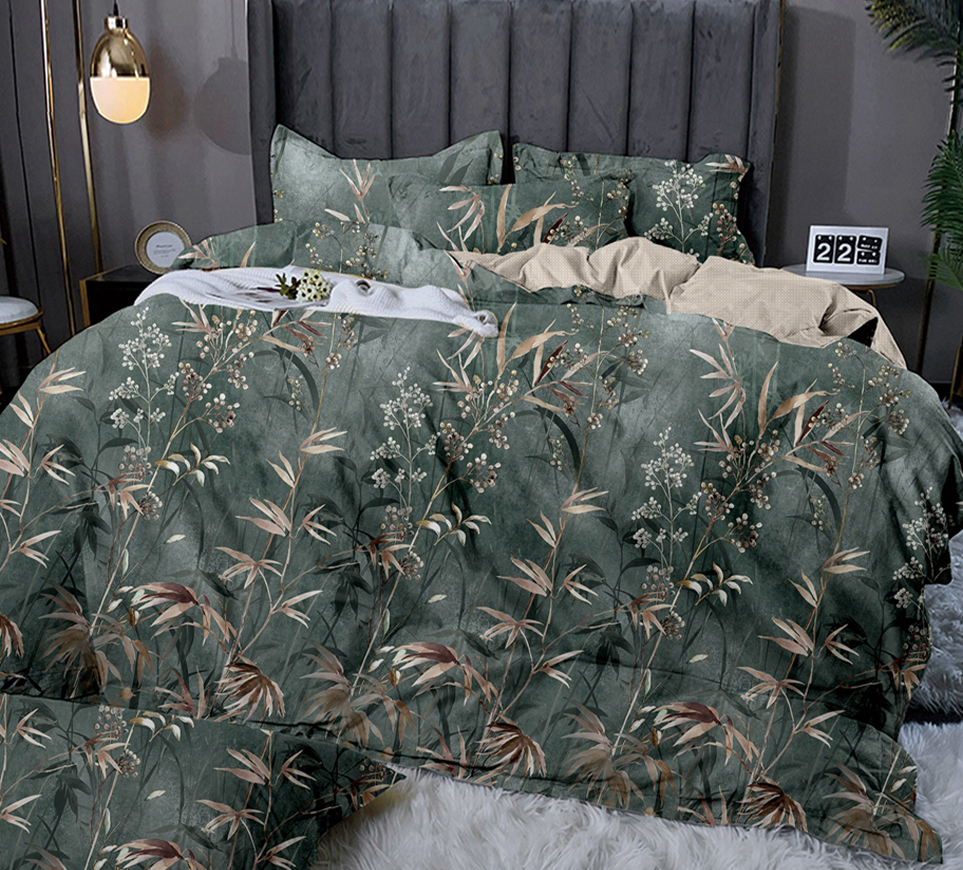
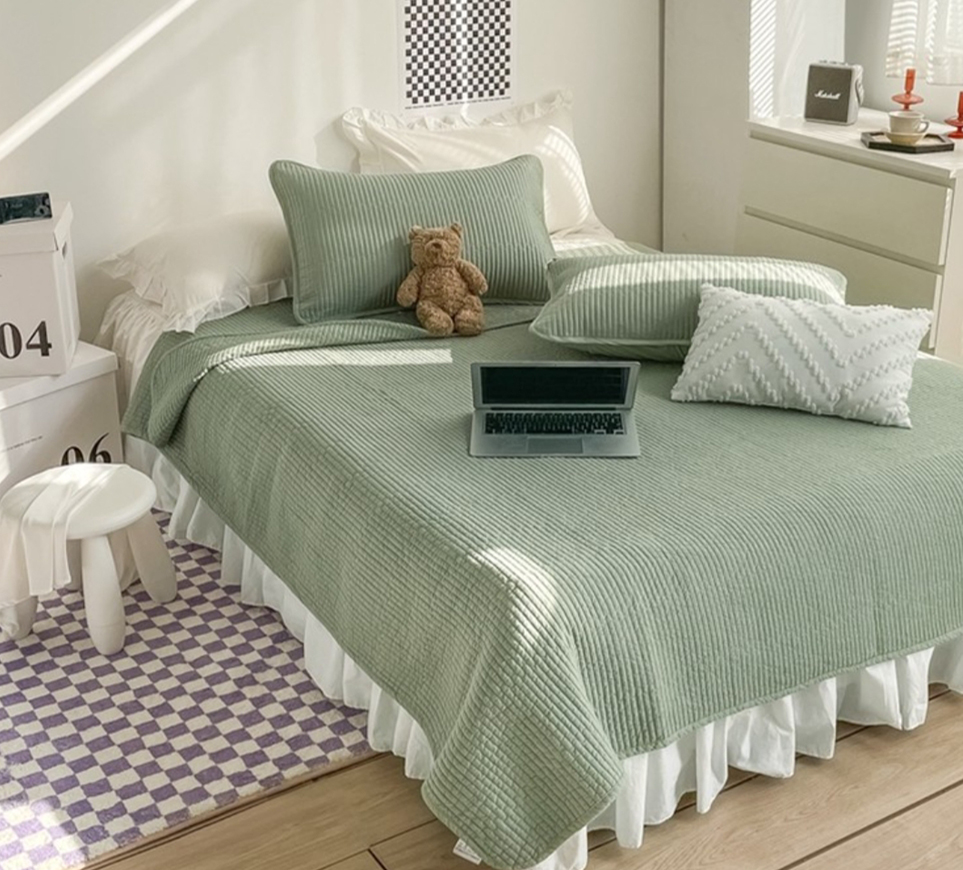
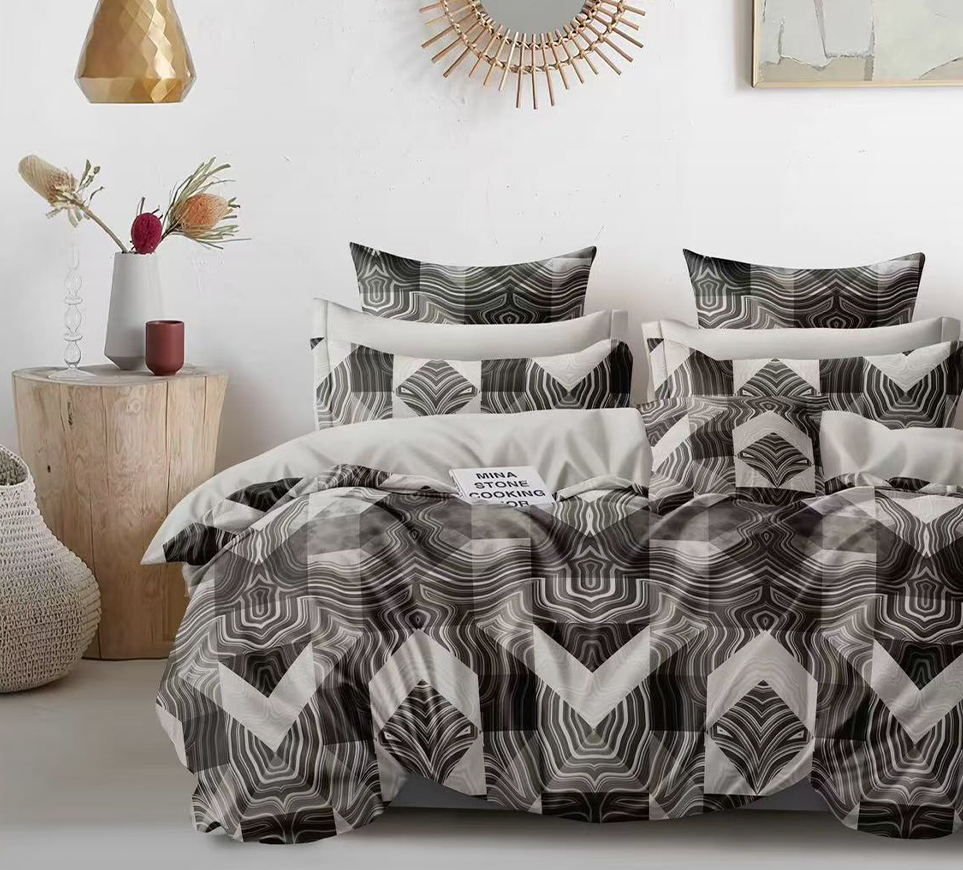
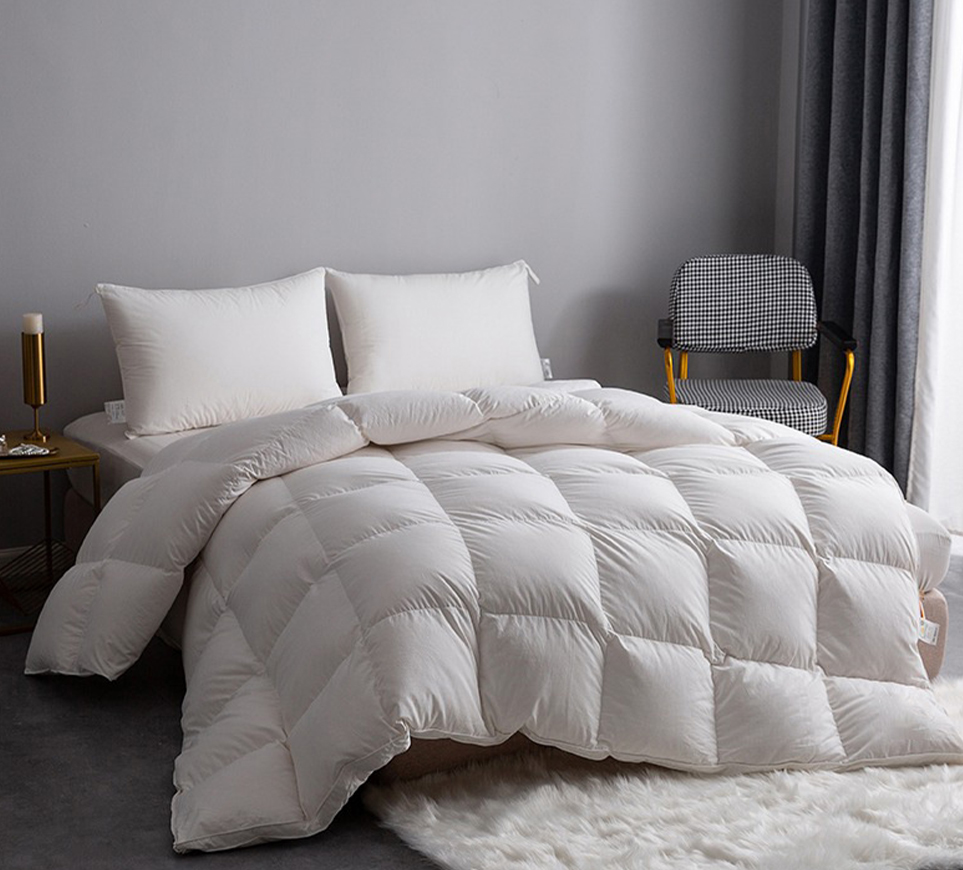
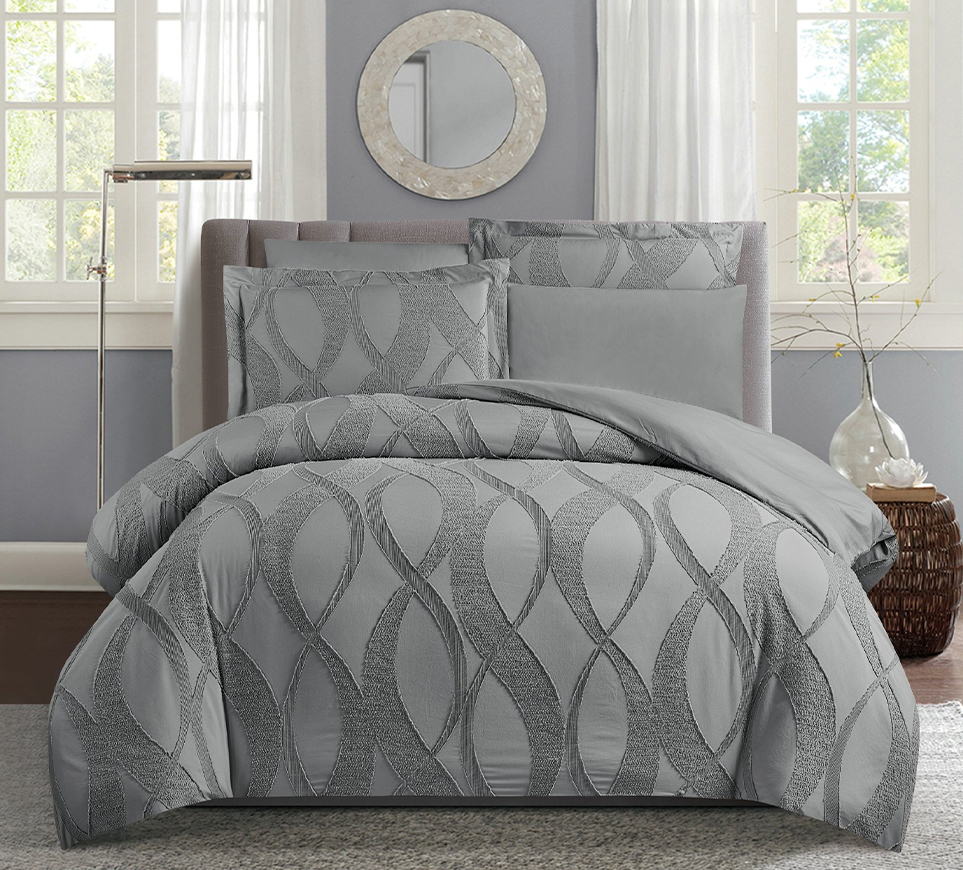
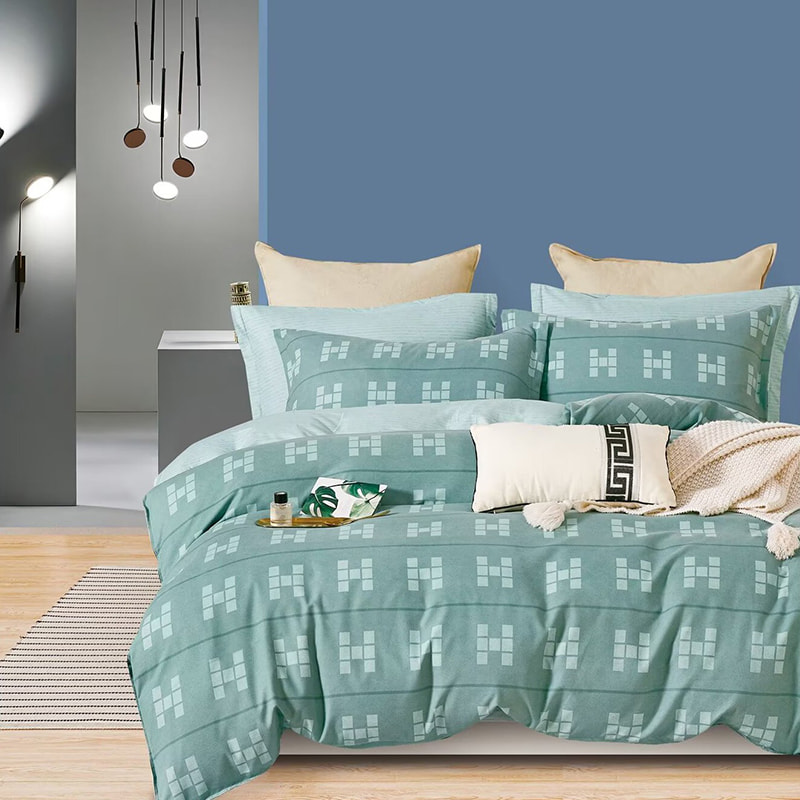
関数 速く乾燥してケアが簡単:縮小が簡単ではなく、アイロンをかけたり、しわが寄ったり、機械洗浄後に乾燥します。 耐久性とフェード耐性:強い耐摩耗性、高い色の延長、長期使用は依然として明るい色を維持しています。 軽量透過性:中程度の体重、軽量体、塩基性透過性を備えており、四季や湿度の高い環境に適しています。
詳細を参照してください
Queen Fitted Sheet Sizing, Pocket Depth, Fabric and B2B Sourcing Guide
Nov 23, 2026
A carton of queen fitted sheets arrives at a warehouse in Hamburg: 24 sets per carton, 130 gsm microfiber, packed exactly to the approved sample. Six weeks later a photo comes back from the retailer. The sheet is on the bed, but all four corners have climbed halfway up a 14 inch mattress, and the buying team wants to know why the product "does not fit".
It fits a 12 inch mattress perfectly. That is the whole problem, and it was decided on a spec sheet months before the first meter of fabric was cut. For buyers, importers and private label teams, a queen fitted sheet is not a flat sheet with elastic sewn on. It is a three dimensional product, and almost every complaint about it - corners popping, seams splitting, sheets that shrink out of range after the first wash - traces back to four numbers: finished size, pocket depth, elastic specification and shrinkage allowance.
This guide walks through those numbers the way a factory actually uses them, from pattern room to pre shipment inspection, and explains where the hidden costs sit when a quote looks 25 percent cheaper than the next one. We build queen fitted sheets in polyester microfiber, pure cotton and tencel at our own facility in Nantong, and the points below are the ones that come up in almost every buyer conversation before a first order.
A fitted sheet is a three dimensional product. Buyers who specify it like a flat sheet get flat sheet results, and the returns arrive one wash cycle later.
Why Queen Fitted Sheet Fit Fails Before the First Cut
When a corner lifts, the instinct is to blame the elastic. In practice, elastic is usually the last link in a chain that starts with the mattress height the buyer never wrote down. Four specification gaps cause most of the trouble we see in claims data and sample rejections.
- Pocket depth measured on the flat pattern. A pattern marked 40 cm depth does not produce a 40 cm corner once the seam allowance, elastic take up and hem fold are absorbed. The sewn depth is always shorter than the drawn depth.
- Shrinkage treated as a laundry issue instead of a cutting allowance. Untreated cotton can lose several percent in the warp and weft after three domestic washes. If that percentage is not added at the cutting table, the pocket shortens after the first wash, not before.
- Elastic specified by meters per sheet only. "Four meters of elastic" says nothing about width, elongation ratio, attachment tension or whether the elastic is sewn in flat or stretched. Two factories can both use four meters and deliver completely different hold.
- "Queen" used as a size instead of a name. Queen means one footprint in the United States and a different one in continental Europe. A purchase order that says queen without centimeters is an instruction to guess.
A worked example shows how quickly the numbers move. Take a 35 cm mattress with a 5 cm topper, which is a very ordinary combination in the United States, Canada and Australia. Total height is 40 cm. Add 2 cm for hem fold, elastic channel and seam take up, then add a 2.5 percent shrinkage allowance on the depth, which is about 1 cm. The cut depth is 43 cm, not 40 cm. Round it to 43 cm, then approve a washed sample before bulk. Skipping this step saves nothing at the pattern stage and costs a full container of claims later.
Over sizing is a real cost too, and it is the mistake buyers make after their first bad shipment. An extra 4 cm of depth on a queen fitted sheet is roughly 0.2 square meters of extra fabric per piece, plus a looser fit that wrinkles in the middle and looks cheap on a made bed. Deep pocket queen fitted sheets should be a separate SKU with its own pattern, not a single generous pattern stretched across every mattress height in the range.
Write the mattress height, the topper thickness and the required sewn pocket depth into the purchase order. If those three numbers are missing, the fit problem has already been ordered.
Queen Size Is Not One Size: Market Dimensions That Change the Pattern
The word queen sells product. It does not cut fabric. Before a pattern is graded, the buyer and the factory need to agree on a finished measurement in centimeters, the pocket depth at the corner, the tolerance on both, and the size of the pillowcase that ships with the set. The table below shows why the same word produces four different patterns.
| Market | What buyers call it | Typical mattress footprint | Points to confirm before cutting |
|---|---|---|---|
| United States and Canada | Queen | 60 x 80 in (152 x 203 cm) | Pocket depth of 12 to 18 in; separate standard and deep pocket SKUs; pillowcase 20 x 30 in |
| Australia and New Zealand | Queen | 60 x 80 in (153 x 203 cm) | Same footprint as the US queen, but 40 cm depth is common and box springs are thicker |
| Continental Europe | Queen (in retail listings) | 160 x 200 cm | Corner radius, 30 to 35 cm depth, local language labels, fitted sheet often sold without a flat sheet |
| United Kingdom and Ireland | Not a standard name; double or king | 135 x 190 cm double, 150 x 200 cm king | Mattress depth often 25 to 30 cm; confirm whether the buyer means double in the UK sense |
| Japan and parts of Asia | Queen | 160 x 200 cm | Shorter mattress length than the US in some ranges; check 195 to 200 cm before grading |
Two practical rules come out of this table. First, ask for the mattress dimensions in centimeters even when the buyer works in inches, because a conversion error of half an inch at the pattern stage becomes a visible fit error at retail. Second, set a tolerance and hold both sides to it. A finished width tolerance of plus or minus 2 cm on a sewn queen fitted sheet is common in the trade; anything tighter needs tighter fabric control and a higher price.
There is also the question of what ships with the sheet. A queen fitted sheet may be sold alone as an open stock item for replacements, as part of a four piece set with flat sheet and two pillowcases, or as part of a fitted sheet set with two pillowcases only. Each configuration changes the carton ratio, the size label and the packaging cost, and each one has a different ideal buyer. Hotels and rental operators usually buy fitted sheets alone because flat sheets are replaced on a different cycle. Retail buyers usually want the set.
Convert every size discussion into centimeters, pocket depth and tolerance before sampling. The word queen should never appear alone on a purchase order.
Pocket Depth, Elastic and Corner Construction
Once the footprint is fixed, the corner becomes the whole product. It is where fit, fabric consumption and durability meet, and it is where cheap construction shows up first.
Working out the sewn pocket depth
The formula we use in sampling is simple: cut depth equals mattress height plus topper thickness plus 2 to 3 cm for seam and hem take up, then plus the shrinkage allowance for the fabric in question. Polyester microfiber needs very little, often under 2 percent. Untreated cotton needs more, typically in the 3 to 5 percent range depending on the yarn and the finishing route. Tencel sits in between. The allowance should be calculated on the depth, not on the width, because the depth is the dimension that has to reach around the corner.
There is a second number buyers often forget: the corner radius. A mattress corner is never a sharp 90 degrees. If the pattern cuts a square corner and the seam is pulled tight, the fabric tents and the elastic fights the mattress instead of holding it. Rounding the corner by 3 to 5 cm, depending on the mattress, distributes the tension and reduces the pulling that leads to popped corners at the head end.
Elastic options and what they actually hold
| Construction | How it holds | Elastic used on a queen sheet | Best for | Watch out for |
|---|---|---|---|---|
| All around elastic | Continuous tension along the full hem | About 4.5 to 5.5 m, stretched during sewing | Retail programs, deep mattresses, adjustable beds | Uneven sewing tension shows as pulled corners and wavy hems |
| Corner only elastic | Four separate elastic pieces at the corners | About 1.6 to 2.4 m | Entry price points, thin mattresses | Lifts on mattresses above roughly 14 in, especially with a topper |
| Corner plus anchor band | Corner pieces plus a band at head and foot | About 2.4 to 3.2 m | Hotel, rental, hospitality and serviced apartments | Slightly higher labor cost and a heavier hem feel |
Elastic width matters as much as length. A 0.5 cm narrow elastic rolls and digs into the fabric, and it loses recovery faster. A 1.0 cm to 1.2 cm woven or knitted elastic spreads the load, holds the hem flat and survives industrial laundry far better. For hotel and rental programs, specify the elastic supplier and the elongation ratio, then test a washed sample by hand: stretch it to the mattress depth and release it five times, and see whether it returns to its original length.
The corner seam itself deserves its own line on the spec sheet. A four thread or five thread overlock with a bartack at the elastic junction is standard for retail quality. Single needle stitching without a bartack survives the sample and fails in the field, usually at the point where the elastic meets the corner seam.
The chart below is the starting point we use when a buyer has a range of mattress heights and wants to know how many pocket depth SKUs are actually needed. These are sampling starting points, not a finished specification, and every one of them still needs a washed sample and a mattress trial before approval.
Starting pocket depth by mattress height (queen fitted sheet, before shrinkage allowance)
Mattress 8-10 in
12 in pocket
Mattress 10-12 in
14 in pocket
Mattress 12-14 in
16 in pocket
Mattress 14-18 in
18 in pocket
Mattress 18 in and above
21 in pocket
Read the chart as a sourcing map rather than a rule book. Most buyers who sell into the United States and Australia can cover the market with two pocket depths, one at 14 to 16 inches and one at 18 inches, plus a separate deep pocket queen fitted sheet for mattress and topper combinations above 18 inches. Carrying three depths instead of five keeps the pattern, label and carton range manageable while still covering the returns risk.
Depth also drives fabric consumption directly, and that is where a quote can look attractive without being comparable. Going from a 14 inch to a 20 inch pocket on the same queen footprint adds roughly 15 to 20 percent more fabric per piece. A supplier quoting a deep pocket price against a standard pocket specification is not necessarily cheaper; the specification has simply changed underneath the price.
Finally, connect the corner to the fabric. A lightweight 90 gsm microfiber in a 20 inch pocket will hold its shape less confidently than a 160 gsm fabric in the same pocket, because the elastic has less body to work against. When a buyer asks us for deep pockets at an entry price, we usually suggest dropping to a shallower depth range rather than dropping the fabric weight, because the second choice shows up in every wash complaint.
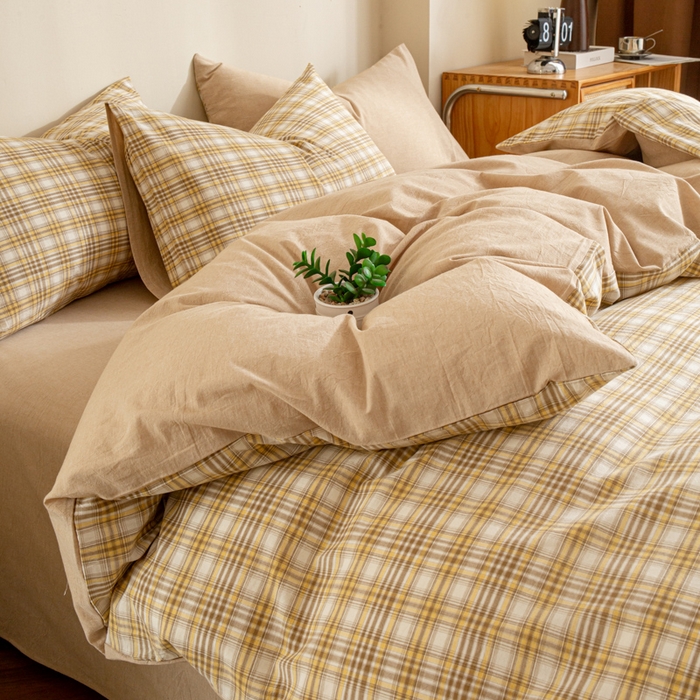 Pure Cotton Bed Sheet Set with Deep-Pocket Fitted SheetIncludes a pure cotton fitted sheet with deep pockets and sturdy elastic, relevant when comparing wash durability and fit at this point.View Product →
Specify pocket depth as a sewn measurement after wash testing, pair it with 1.0 cm elastic and a bartacked corner, and the majority of fit claims disappear.
Fabric Choices for Queen Fitted Sheets: Polyester, Cotton and Tencel
Fabric selection for a fitted sheet is not the same decision as fabric selection for a duvet cover. A fitted sheet is stretched, washed more often, and sits directly against the mattress where friction is highest. The right question is not "which fabric feels best" but "which fabric still fits after thirty washes at the price point the buyer can sell".
| Fabric and build | Typical weight or density | Handfeel | Shrinkage after repeated washing | Good fit for |
|---|---|---|---|---|
| Polyester microfiber, light | 90 gsm | Light, smooth, cool to the touch | Low, generally under 2 percent | Promotional sets, warm climates, opening price points |
| Polyester microfiber, mid | 130 gsm | Soft with a slight brushed surface | Low, generally under 2 percent | Mainstream retail and printed programs |
| Polyester microfiber, heavy | 160 gsm | Dense, more body, less see through | Low, generally under 2 percent | Deep pockets, longer replacement cycles, private label core lines |
| Pure cotton, plain weave | 128 x 68 density | Crisp, breathable, traditional | Higher if untreated, often 3 to 5 percent | Value cotton programs and hotel back up stock |
| Pure cotton, denser weave | 133 x 72 density | Smoother, better cover, softer after wash | Moderate, often 2 to 4 percent with pre shrinking | Mid and upper retail cotton lines |
| Tencel | Ne 50s yarn | Silky, fluid drape, cool | Moderate, roughly 3 to 4 percent without care | Premium retail and gift sets |
| Tencel | Ne 60s yarn | Finer, cooler, more lustrous surface | Moderate, roughly 3 to 4 percent without care | High end retail and upgraded hotel suites |
| Polycotton blend | 40s blend, poly cotton ratio confirmed per order | Crisp, holds shape, dries fast | Low to moderate | Hotel, rental and industrial laundry programs |
Polyester microfiber is the workhorse of the category, and the weight choice matters more than most buyers expect. A 90 gsm sheet is economical and packs small, which suits promotional programs and warm markets, but it is thin enough that a deep pocket shows the strain at the corner. A 130 gsm fabric is the mainstream compromise and the volume seller for printed programs. A 160 gsm fabric carries noticeably more body, holds a deep pocket better and reads as a heavier, more expensive product on the shelf, which is why it is our default recommendation for any buyer whose range includes 18 inch and 20 inch pockets.
Pure cotton remains the reference point for breathability and the feel most consumers associate with quality bedding. Density codes such as 128 x 68 and 133 x 72 describe the warp and weft yarn count in the weave and tell a buyer more about cover and durability than an inflated thread count number. The trade off is shrinkage. Cotton moves after washing unless it is pre shrunk, and pre shrinking costs money at the finishing stage. Buyers who skip the allowance and skip the finishing step usually meet their margin target on the first order and lose it on the second.
Tencel, sold in 50s and 60s yarn counts, is the premium option for buyers whose customers care about drape and coolness. It is softer and more fluid than cotton in the same pocket depth, which is visually attractive on a made bed, but it needs care guidance on the label and a realistic shrinkage allowance in the pattern. We usually recommend tencel for the top of a range rather than for a high volume core line, because the fabric cost per set is harder to absorb at promotional price points.
Polycotton blends are the practical answer for hotel and rental buyers. They hold their shape, dry quickly and survive industrial washing better than untreated cotton, and the crisp finish photographs well for hospitality listings. The blend ratio should be written into the specification, because 50/50 and 60/40 behave differently in both shrinkage and handfeel.
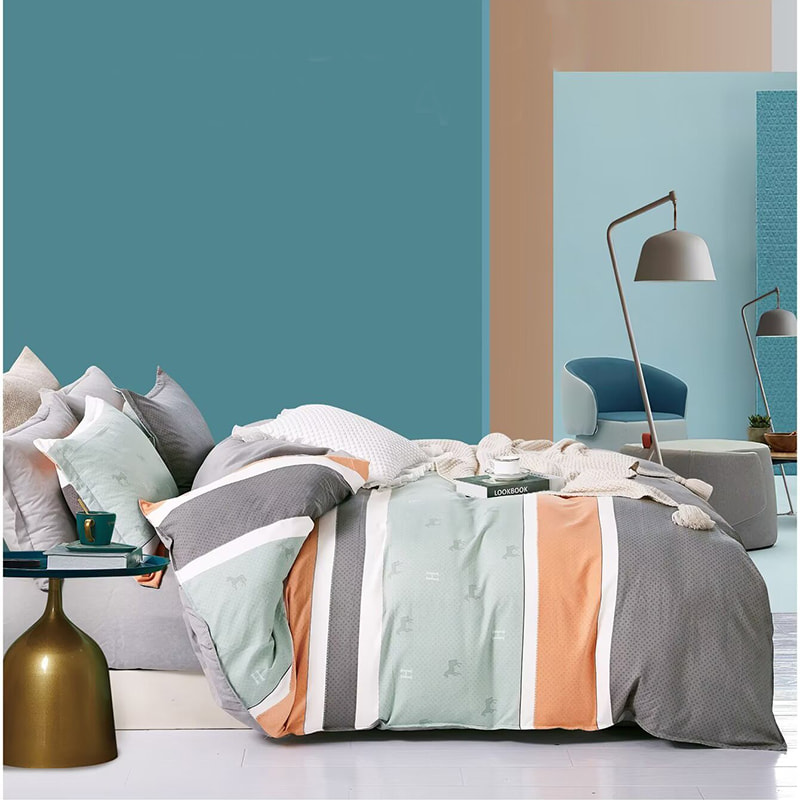 160gsm 250cm Polyester Bed Sheet SetA thick 160 gsm polyester set at 250 cm width, positioned for buyers comparing durable, crisp bedding specifications against hotel and rental needs.View Product →
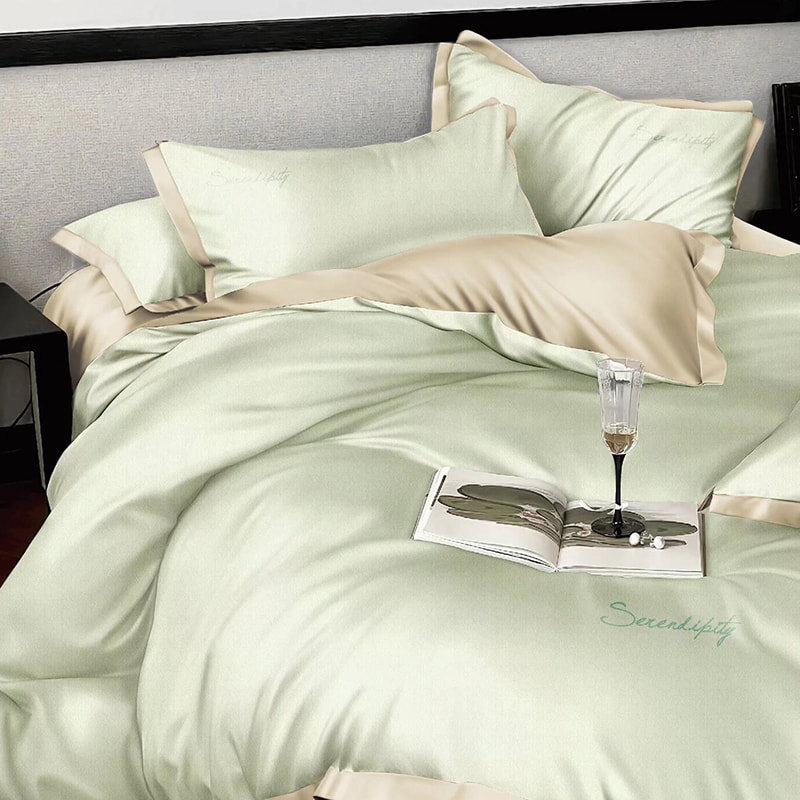 60S Tencel Bed Sheet Set for Sensitive SleepersA 60S Tencel set with fine, breathable fabric and natural antibacterial performance, useful when comparing premium bedding specifications alongside hotel and rental options.View Product →
Choose the fabric weight after you fix the pocket depth, not before. A deep pocket on a very light fabric is where fit complaints are born.
Shrinkage, Color Fastness and Pilling: Numbers to Put in the Spec Sheet
Most quality arguments in bedding are not really arguments about quality. They are arguments about a missing number. A buyer says the sheet "shrank too much"; the factory says the sheet "met the standard". Both can be true if no standard was written down.
The first number is shrinkage. The test method should be named on the spec sheet, for example a domestic wash test at 40 degrees Celsius repeated three times, measured in both warp and weft after line drying. Polyester microfiber typically stays within 2 percent, untreated cotton often moves 3 to 5 percent, and tencel generally lands in between. Whatever the fabric, the allowance must be added to the cut depth and cut width, not to the finished measurement after the fact. A simple way to check a sample room is to ask for the measured size before wash and after wash on the same piece. If the supplier cannot produce those two numbers, the shrinkage claim is unverified.
The second number is color fastness. For a queen fitted sheet that will be washed weekly, three parameters matter: fastness to washing, fastness to rubbing in both dry and wet conditions, and fastness to light for the retail display. A typical retail requirement is grade 4 or above on washing and light, with rubbing at grade 3 to 4 acceptable for darker shades. Dark navy, deep charcoal and saturated prints are the shades that fail first, so approve those in production color rather than in a lab dip.
The third number is pilling. Brushed microfiber and low density cotton both pill where the body rubs against the sheet, which is the fitted sheet more than any other item in the set. A pilling grade of 3 to 4 after the standard test is a reasonable retail floor, and heavier fabric weights help. Buyers comparing 90 gsm and 160 gsm polyester at the same price should assume the lighter fabric will show surface change sooner, especially in a deep pocket where the fabric is under continuous tension.
There is also the question of how the fabric behaves at the seam. A fabric that shrinks unevenly in warp and weft will pull the corner seam out of alignment even if the overall dimensions pass. That is why we test a sewn sample rather than a flat swatch, and why the approval form should carry both the flat measurements and the post wash measurements.
Name the test method and the tolerance on the spec sheet. A shrinkage or pilling complaint without a stated standard costs more to argue about than to prevent.
Stitching and Seam Quality: A Corner Level Checklist
Fitted sheet construction is judged at the hem and at the corner, because those are the two places that take load. The rest of the sheet can look flawless on a table and still fail on a mattress. The checklist below is the one we run on the line and again at pre shipment inspection.
- Elastic casing width. A folded casing of 1.2 to 1.5 cm keeps the elastic flat and prevents rolling inside the hem.
- Stitch density. Around 10 to 12 stitches per inch on the overlock, consistent across the corner curve and the straight hem.
- Bartack at each corner. Two or three passes where the elastic meets the corner seam, because this is the single highest stress point on the product.
- Thread tension and skipped stitches. Check both sides of the seam under light, not just the top side on the machine.
- Needle damage. Microfiber shows needle cuts and grin through marks clearly; the needle size should match the fabric weight, and the needle should be changed on schedule.
- Raw edge coverage. The overlock should fully enclose the raw edge at the corner gusset, where three edges meet and the machine tension is hardest to control.
- Thread color match. Matching to the ground shade for solids and to the dominant shade for prints, confirmed under daylight rather than factory lighting.
- Size label placement. Inside the back corner, sewn into the seam, positioned so it does not scratch and does not show through the fabric on light shades.
- Oil stains and handling marks. A final inspection point on every piece, because a clean sheet with a machine oil mark is a second quality item.
The corner gusset is where most sewing defects concentrate, and it is also where cheap labor shows up first. When a factory speeds up the corner operation, the first thing to go is the bartack, and the second is the tension consistency on the elastic. Both are invisible in a folded polybag and both fail within the first month of use. If a buyer cannot visit the line, ask for a short video of the corner operation on the actual production floor, and ask for the stitch density in writing.
Hem width also affects perceived quality. A narrow 1 cm hem on a deep pocket looks thin and curls after washing, while a 1.5 to 2 cm hem holds its shape and photographs better. The cost difference per piece is small, but it changes the way the product reads on a bed, which is what the end customer sees before they see the price.
Ask for the bartack and the stitch density in writing. Those two details separate a fitted sheet that survives a year from one that survives a quarter.
Sampling and Approval: The Steps That Prevent Bulk Claims
Sampling is not a formality before the order. It is the point where the specification becomes enforceable, and it is the cheapest place to discover that the buyer and the factory were describing different products.
A workable approval sequence has five stages. First, a size set sample in the full range the buyer intends to sell, so that a queen fitted sheet is checked next to the full, king and california king patterns rather than in isolation. Second, a wash tested sample from the same fabric lot, measured before and after, with the numbers written on the approval form. Third, a labeling and packaging sample that shows the size label, care label, insert card and polybag exactly as they will ship. Fourth, a pre production sample that confirms the approved corrections were actually applied. Fifth, a pre shipment inspection on the finished cartons, using an agreed sampling plan, with major and minor defects defined in advance.
The approval form is the document that matters most, and it should be short enough that someone actually reads it. A useful form carries the finished measurements in centimeters, the sewn pocket depth, the fabric weight, the elastic width and length, the stitch density, the label artwork reference and the packaging reference. Each item gets a tolerance. Anything not on the form cannot become a claim.
Timelines are usually the reason buyers skip these steps. In practice, a custom sample takes roughly one to two weeks depending on fabric availability and printing, and bulk production runs on a different clock, often in the range of 25 to 40 days for a container scale order. Cutting the sampling stage to save a week is a poor trade against the cost of reworking or sorting a shipment of several thousand sets.
Approve a washed sample with numbers on it, not a photograph. A photo records color; a measurement form records fit.
Packaging, Labels and Shipping for Wholesale Queen Fitted Sheets
Packaging is where a good fitted sheet either arrives looking like a retail product or arrives looking like a factory bundle. For wholesale and private label buyers, the decisions are usually about how the set is presented, what the label must legally carry, and how many units fit in a carton without crushing the elastic.
Common presentation options include a simple polybag with an insert card, a zippered PVC or PE bag with a fabric handle, a belly band around a folded set, and a printed carton for higher price points. The choice affects cost and cubage more than most buyers expect. A hanging bag adds volume and freight, while a compact vacuum assisted fold reduces carton size but can leave fold lines that are slow to recover. For fitted sheets specifically, avoid compressing the elastic hem under heavy weight for long periods, because the recovery loss shows up as a loose corner after the first wash.
Labels need to match the destination market. Fiber content, care instructions, size designation, country of origin and the importer or responsible party are the usual minimum fields, and the language requirement differs by country. The care instructions should be consistent with the actual fabric: a tencel fitted sheet labelled for high temperature tumble drying will generate complaints even when the fabric itself is sound. The size label should match the market convention the buyer sells into, because "queen" printed on a sheet cut to a 160 x 200 cm pattern will confuse the end customer who measured their mattress first.
Carton configuration is a commercial decision as much as a packing one. A carton of 20 to 30 sets is common for retail packing, with the exact number driven by fabric weight and presentation style. For a 40 foot high cube container, the loadable quantity is usually in the range of several thousand sets depending on the pack, and the shipping mark should carry the size breakdown so that the receiving warehouse does not have to open every carton to find the queen fitted sheets. Mix size cartons reduce freight cost per unit but complicate picking; single size cartons simplify handling but limit flexibility on small orders.
Finally, protect the elastic at the bottom of the carton. A corrugated sheet or a polybag layer at the base prevents the compression that quietly damages the hem before the product ever reaches a bed.
Match the label, the care instruction and the size name to the market the sheet is sold in. A correct product with the wrong label still becomes a return.
Choosing a Queen Fitted Sheet Manufacturer, Supplier or Wholesaler
Most buyers start with a price list and end up with a set of questions they wish they had asked first. A supplier that can cut, sew, print and pack under one roof controls more of the variables that affect fit, and it can usually answer a sampling question in days rather than weeks. Our own facility covers roughly 3,000 square meters with a team of more than 50 people and an annual capacity in the region of three million sets, which is the scale where a buyer can move from a trial order to a repeat program without changing the pattern source.
The questions below separate a real manufacturer from a trading intermediary quickly, and they apply whether the buyer is sourcing a plain white hotel spec or a printed retail program.
- Where is the fitted sheet cut and sewn, and can we see the corner operation on video or in person?
- What is the sewn pocket depth after wash testing, and what tolerance do you hold on width and length?
- Which fabrics do you hold in stock, and which are made to order for a specific weight or density?
- What is the minimum order quantity per design, per color and per size, and does printing change it?
- What are the sample and bulk lead times at the quantity we are discussing, and what is the peak season cut off?
- Can you provide wash test, color fastness and pilling reports for the exact fabric we approve?
- How do you handle a claim: rework, credit, replacement in the next shipment, or third party sorting?
- Who owns the pattern and the print artwork, and how is exclusivity handled for our market?
When requesting a quotation, give the supplier enough to quote the same product twice. A useful request includes the mattress footprint in centimeters, the finished pocket depth, the fabric and weight, the elastic construction, the set configuration, the packaging style, the label requirement, the quantity per size and per color, and the destination port. Buyers who send a reference photo plus those numbers usually get an accurate price in one round instead of four.
For buyers who want to see the fabric and construction range before narrowing the specification, the pages below are a practical next step, and they show how the same fitted sheet construction scales across different materials and price positions.
Related pages on this site
Ask for sewn measurements after wash, not fabric quality adjectives. A manufacturer that answers with numbers is a manufacturer that controls its process.
Cost Drivers: Why Two Queen Fitted Sheet Quotes Differ by 30 Percent
When two quotes for the same queen fitted sheet land 30 percent apart, the difference is almost never negotiation room. It is usually four specification choices that were never compared line by line.
- Fabric weight. Moving from 90 gsm to 160 gsm polyester increases material cost per set meaningfully, and it changes the carton weight and freight calculation as well.
- Pocket depth. Every extra inch of depth adds fabric around the perimeter. A deep pocket queen fitted sheet and a standard pocket sheet are different products with different costs, even when the size label is identical.
- Elastic specification. All around elastic uses roughly twice the elastic of a corner only construction, plus more sewing time and more tension control on the line.
- Packaging and labeling. A printed insert card, a zippered bag, a hanging header and a woven label all add cost, and they also add cubage, which shows up again in the freight line.
- Order structure. Small quantities per color, many sizes per carton and late specification changes raise the effective unit cost even when the quoted unit price looks competitive.
The practical way to compare offers is a specification matched quotation: the same fabric weight, the same sewn pocket depth, the same elastic construction, the same packaging and the same tolerance. Once those are fixed, a price difference is a real difference in cost structure. Before they are fixed, a price comparison is a comparison of two different products that happen to share a name.
It also helps to ask what happens at the edges of the order. What is the surcharge for an extra color, what is the cost of a size set sample, and what is the minimum for a custom print repeat? Those line items usually reveal more about a supplier's flexibility than the headline unit price.
Compare queen fitted sheet quotes on a matched specification sheet. A cheaper quote is only cheaper if the pocket depth, fabric weight and elastic are the same.
Frequently Asked Questions About Queen Fitted Sheets
What is the standard size of a queen fitted sheet?
In the United States, Canada, Australia and New Zealand, a queen mattress is typically 60 by 80 inches, or roughly 152 by 203 centimeters. The fitted sheet itself is cut larger than the mattress to wrap around the sides and tuck under, so the finished sewn size includes the pocket depth. In continental Europe and Japan, the term queen is often used for a 160 by 200 centimeter mattress. Always confirm the mattress footprint and the pocket depth in centimeters before approving a pattern.
What pocket depth should a queen fitted sheet have?
Measure the mattress height, add the thickness of any topper, then add 2 to 3 centimeters for seam and hem take up, followed by the shrinkage allowance for the fabric. A 35 centimeter mattress with a 5 centimeter topper usually needs a sewn depth of at least 42 centimeters. A deep pocket queen fitted sheet for mattresses above 18 inches is normally cut with a 20 to 21 inch depth, before shrinkage allowance.
How much shrinkage should I allow for cotton queen fitted sheets?
Untreated cotton often shrinks in the range of 3 to 5 percent after repeated domestic washing, while pre shrunk cotton may hold within 2 to 4 percent depending on the finishing route. Polyester microfiber is usually under 2 percent, and tencel typically sits in between. The allowance belongs in the cutting pattern, and the number should be confirmed by measuring the same sample before and after the agreed wash test.
What is the difference between a queen fitted sheet and a queen flat sheet?
A flat sheet is a two dimensional panel sized to drape over the sides and tuck under the foot of the bed. A fitted sheet is a three dimensional product with sewn corners, a pocket depth and elastic at the hem. On the same queen bed, the flat sheet might be 90 by 102 inches while the fitted sheet is built to the 60 by 80 inch mattress footprint with the pocket depth added.
Which fabric is better for hotel and rental use?
Polycotton blends and heavier pure cotton are the common choices for hotel and rental programs because they hold their shape and tolerate frequent industrial washing. Polyester microfiber at 160 gsm is also used where drying time and replacement cost matter more than the cotton handfeel. Whichever fabric is chosen, the elastic construction and the corner bartack usually determine how long the fitted sheet stays in service.
What minimum order quantity do queen fitted sheet manufacturers usually ask for?
Minimums vary by fabric, printing method and packaging. Solid color programs often start lower than printed programs, and custom print repeats usually carry the highest minimum because of the setup cost. The practical question is not only the minimum per order but the minimum per color and per size, since a single order split across five colors can be harder to schedule than a larger single color run.
How can I check elastic quality before placing a bulk order?
Ask for the elastic width, the elongation ratio and the attachment method in writing, then test the approved sample by stretching it to the intended mattress depth and releasing it several times. A sound elastic returns close to its original length. Also wash the sample at the temperature on the planned care label and check whether the hem still sits flat and whether the corner still holds.
Can I order custom sizes, pocket depths and printing for queen fitted sheets?
Yes, and it is a normal part of the sampling process rather than an exception. Custom work usually requires the mattress footprint in centimeters, the finished pocket depth, the fabric and weight, the elastic specification, the label artwork and a reference image for the print. Buyers should expect a size set sample and a washed sample before bulk production begins.
How many queen fitted sheets fit in a 40 foot high cube container?
The loadable quantity depends on fabric weight, pocket depth and packaging style, and it typically runs in the range of several thousand sets for a 40 foot high cube. A compact polybag pack loads more units than a hanging bag or a boxed set. Ask the supplier for the carton dimensions, the sets per carton and the loading plan rather than estimating from the unit price, because the freight per set can change the landed cost significantly.
Almost every FAQ above comes back to the same three numbers: mattress footprint, sewn pocket depth and shrinkage allowance.
Specify It Once, Sell It for Years
The fitted sheet is the least glamorous item in a bedding range and the one most likely to generate a complaint. It is stretched every night, washed more often than the duvet cover and judged entirely by whether the corners stay down. That makes it a specification product rather than a design product, and specification products reward buyers who write things down.
The pattern that works is not complicated. Fix the mattress footprint in centimeters, set a sewn pocket depth with a shrinkage allowance built in, choose the fabric weight after the depth rather than before, specify 1.0 cm elastic with a bartacked corner, and approve a washed sample with the measurements written on the form. Add a label that matches the destination market and a carton that does not crush the hem, and the product is ready to repeat.
Buyers who follow that sequence tend to reorder the same pattern for several seasons with only color and print changes, which is the cheapest possible way to build a bedding range. Buyers who skip it get a container of sheets that fit a mattress nobody owns, and a second order that has to start again from the pattern room.
A queen fitted sheet that fits is a specification achievement, not a fabric achievement. Get the numbers right once and the range repeats itself.
関連製品
-
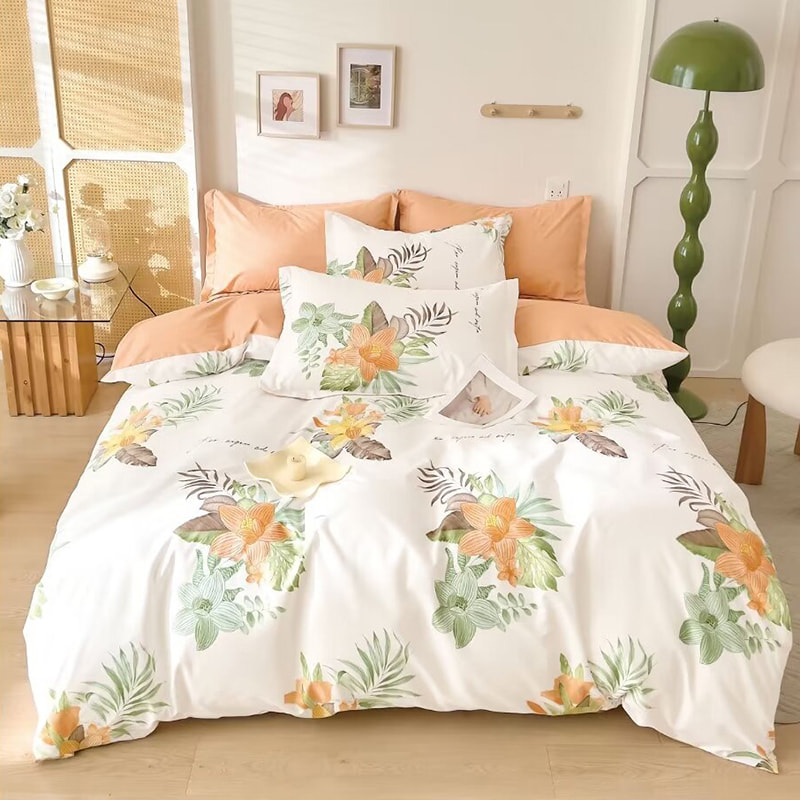
-
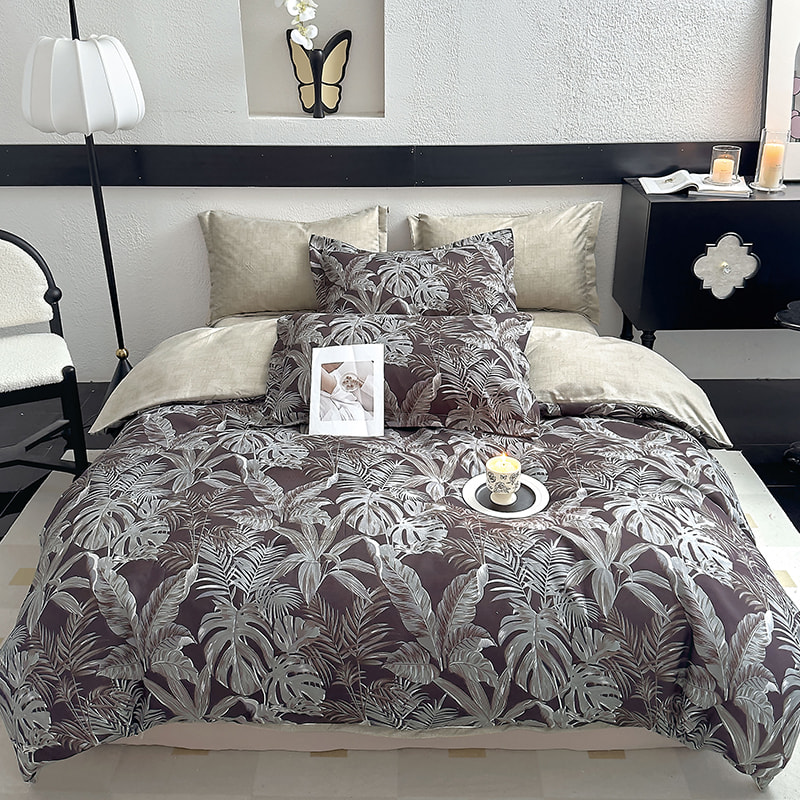
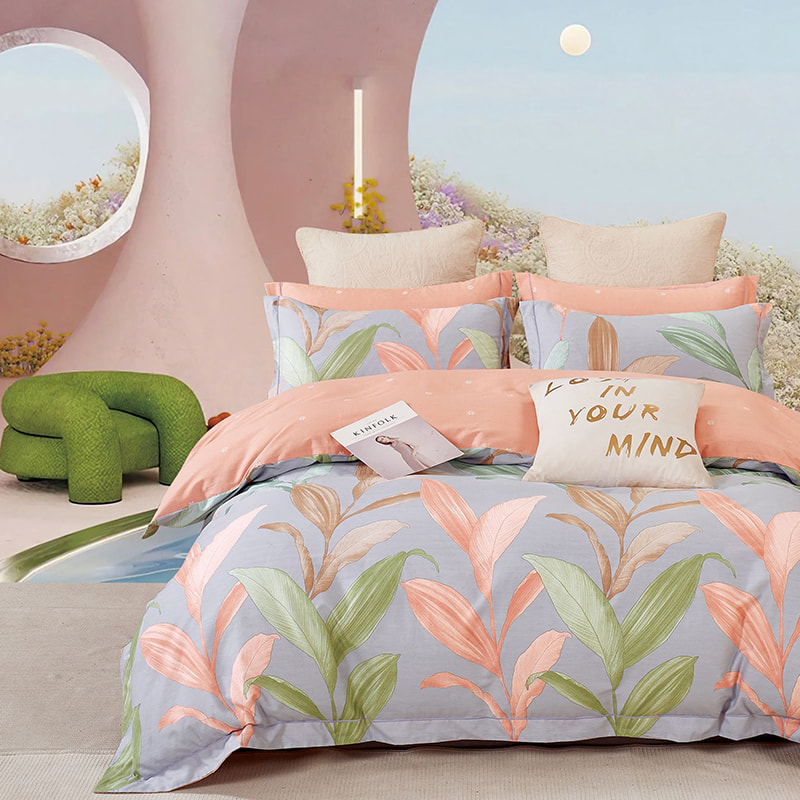
関数 速く乾燥し、世話をするのが簡単:シュリンケージとアイロンをかけず、機械洗浄後の速い乾燥、日常的なケアを簡素化します。 耐久性のある色の保護:耐摩耗性と色の延長、長期使用は、ボール換気をフェードするのは簡単ではありません。 熱バランス:空気透過性と基本的な暖かさの間の中厚の構造は、温度差環境に適応します。
詳細を参照してください -
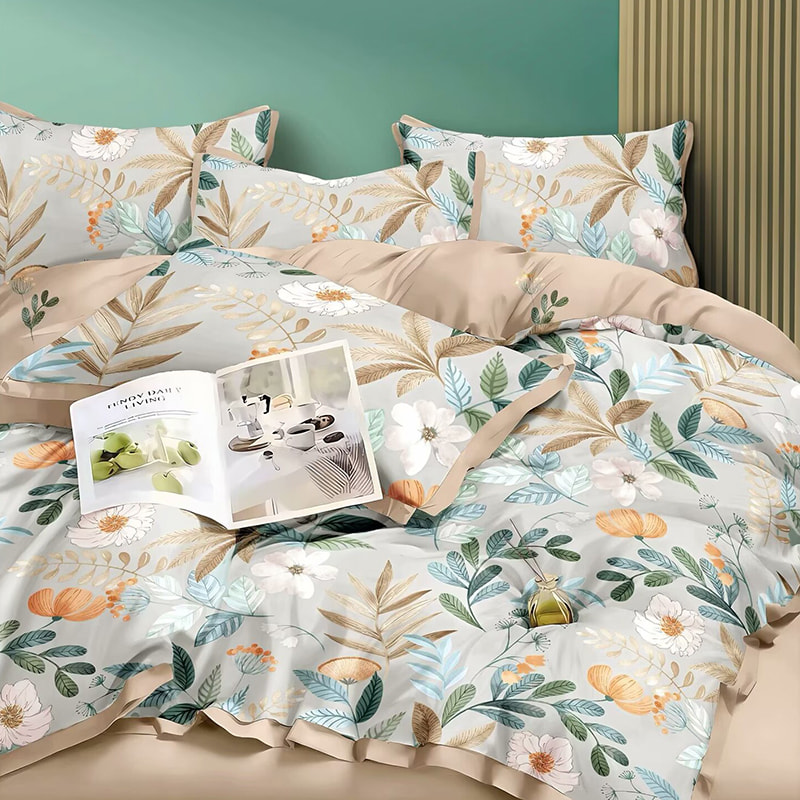
関数 強い暖かさ:高いグラム重量は、低温環境に適した、良好な断熱性能を提供します。 耐久性のある抗ウィンクル:高密度の構造摩耗と裂傷抵抗、変形ボール吊り下げは簡単ではありません。 感情:生地の鮮明なテクスチャーは家の勾配を改善します。
詳細を参照してください -
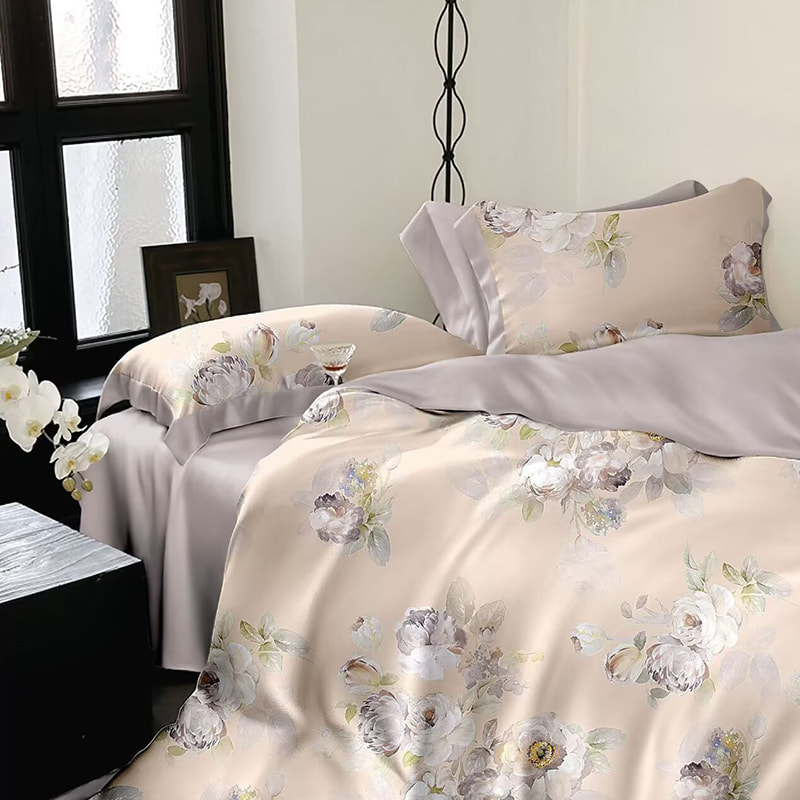
関数 肌に優しい通気性:天然の綿繊維は柔らかく快適で、呼吸に適しており、水分の使用に適しています。 吸収と汗:水分吸収が良好で、乾燥した体を耐久性に感じさせます。 簡単なケア:洗浄と耐摩耗性、ボールが簡単ではなく、高温消毒になる可能性があります。
詳細を参照してください -
関数 より繊細で肌にやさしい:12868,13372を超えると、生地はより繊細で柔らかく、タッチはより良くています。 通気性:高密度の綿構造は、敏感肌に適した水分の吸収と汗の性能をさらに向上させます。 耐久性と抗ウィンクル:高密度、しわ抵抗は12868よりも優れており、長期使用のために平らなままです。
詳細を参照してください -
関数 極端な肌の親和性:デイシルクファイバーは柔らかく滑らかで、絹のようなタッチで、湿気を密にフィットするのに適しています。 吸収と通気性:水分吸収と汗のパフォーマンスは、乾燥して快適に保ち、4シーズンの着用に適しています。 抗菌および抗マイト:敏感肌やアレ...
詳細を参照してください -
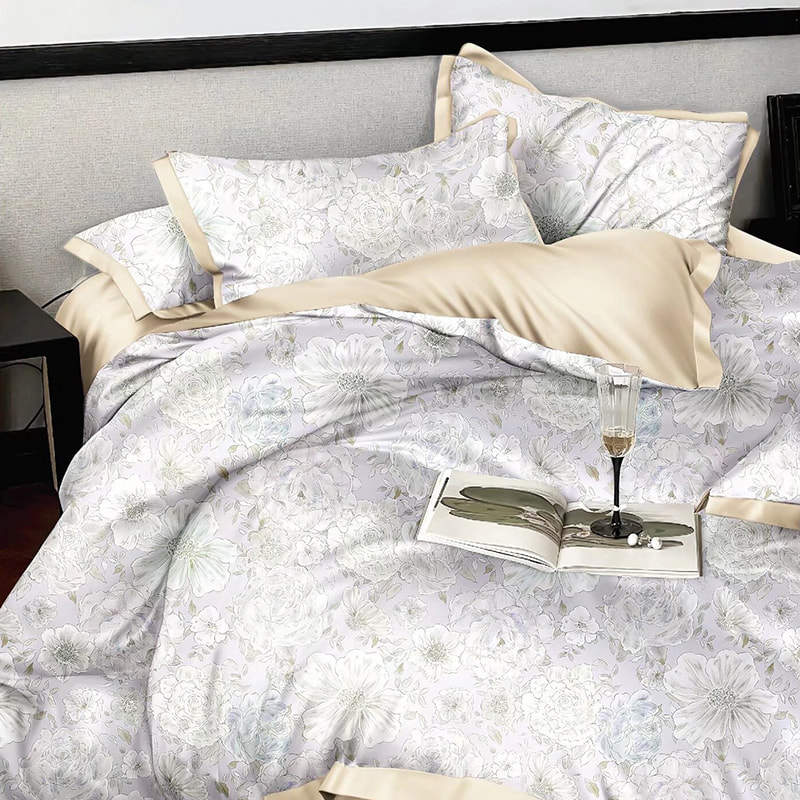
関数 より繊細で肌に優しい:50代、60年代のシルクファイバーと比較して、薄く、柔らかく、滑らかで、緊密な使用により快適で、水分吸収が増えます。 通気性:高い枝は、水分の吸収と汗のパフォーマンスを改善し、乾燥した体感を維持し、暑い季節に適しています。 抗菌およびダニの予防:自然抗菌性能は50秒よりも優れており、敏感肌やアレルギーの人々により適しています。
詳細を参照してください -
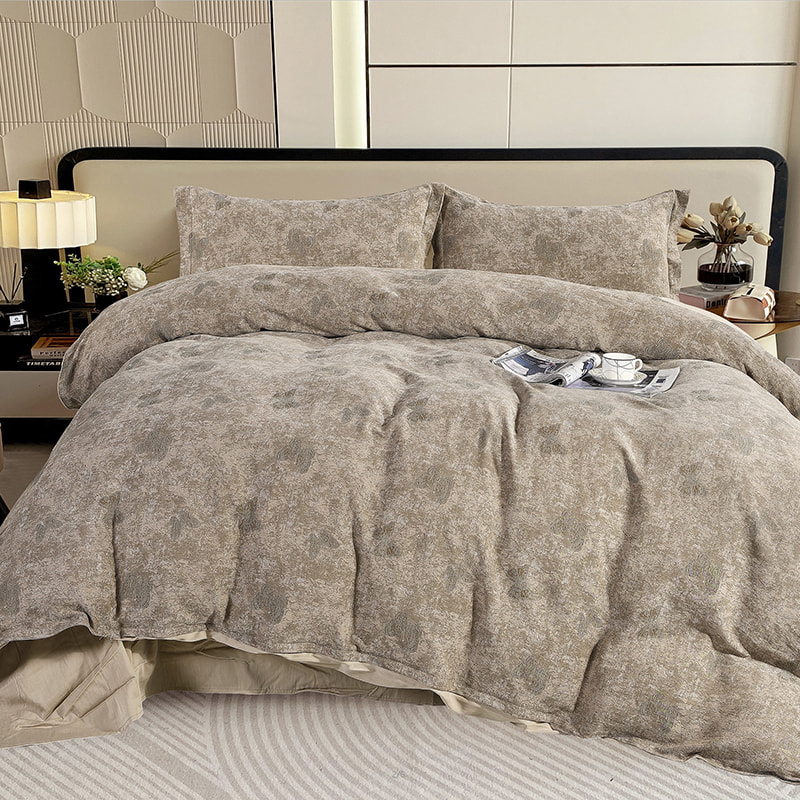
関数 豪華なタッチ:繊維は柔らかく滑らかで、Jacquardプロセスは3次元のテクスチャを追加します。 絹のような吸収性のように触れてください:水分吸収性能は乾燥して快適に保ち、抗菌性の使用に適しています。 ダニの予防。天然の抗菌特性は、敏感肌やアレルギーの人々に適しています。
詳細を参照してください -
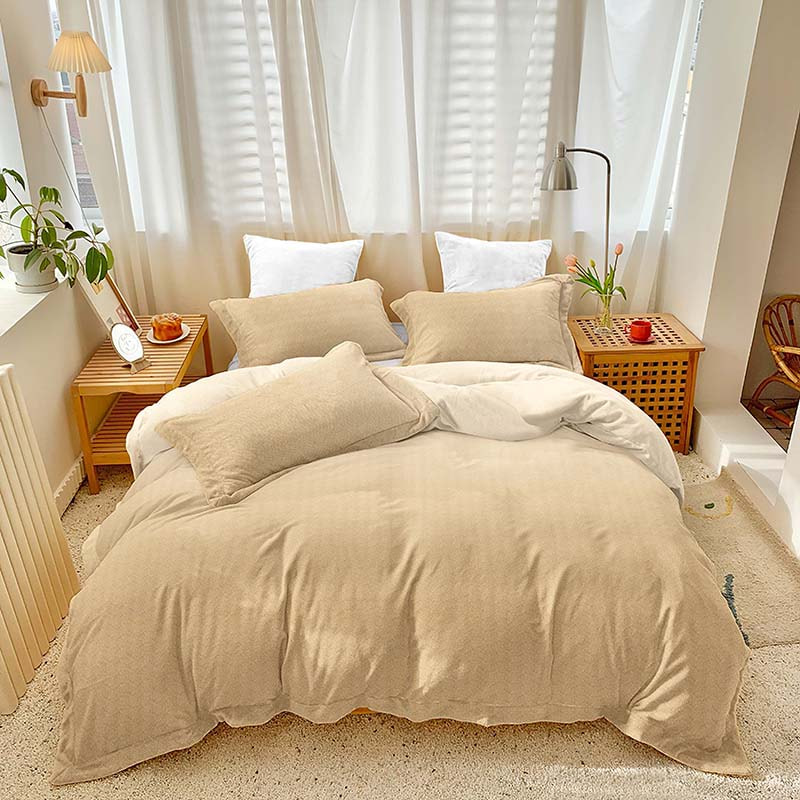
関数 微細なパターンパフォーマンス:デジタル印刷は、ラウンドネット印刷、より豊かな色、より繊細なパターン、高速乾燥よりも高くなります。 ケアが簡単:ポリエステル繊維の特性は、変更されていない、しわ防止、速い乾燥です。 機械洗浄後の軽い通気性:夏や湿度の高い環境に適した軽い体感を維持するための90グラム。
詳細を参照してください -
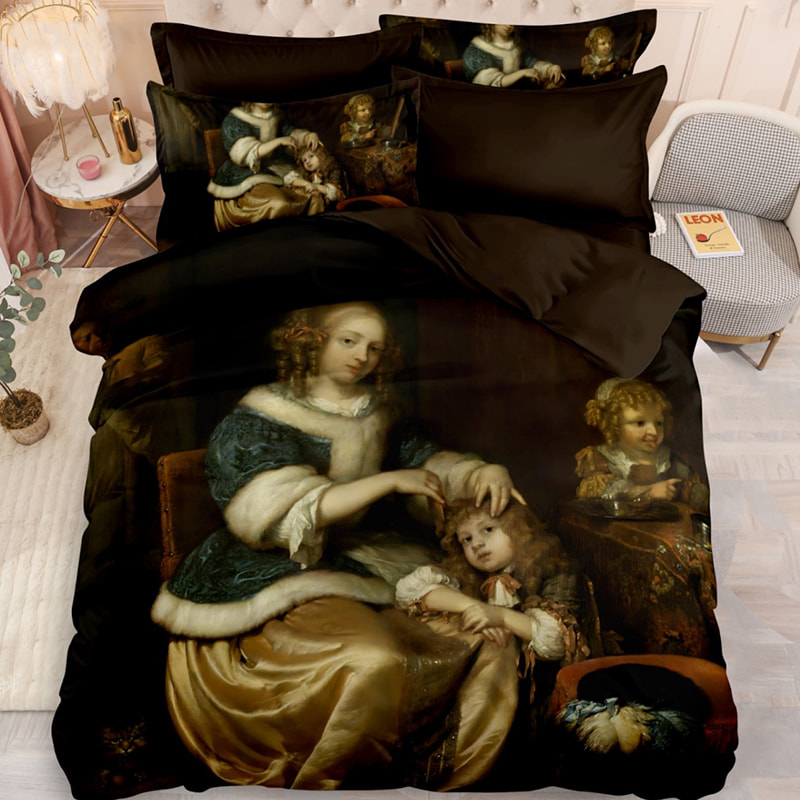
関数 微細なパターンパフォーマンス:デジタル印刷は、ラウンドネット印刷よりも精度が高く、より豊かな色、より繊細です。 耐久性のある抗ウィンクル:130gポリエステルファイバーファブリックには、垂直感、抗ウィンクル、自由なアイロンが施され、機械洗浄後の速い乾燥があります。 中程度の厚さ:暖かく、通気性の両方、4つの季節に適しています。
詳細を参照してください -
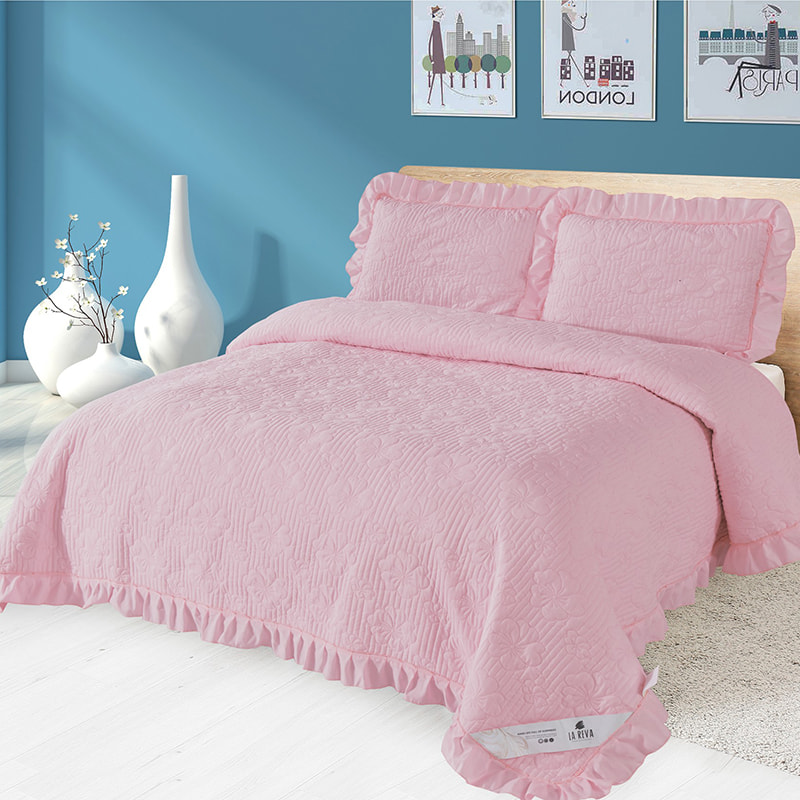
関数 薄くて光:超音波プロセスは、ピンホールやキルティングスレッドを作成せず、生地は薄く滑らかです。 強い装飾:レースの要素は、エレガントでロマンチックな感覚を追加し、空間の美しさを高めます。 世話をするのは簡単:しわ防止と耐摩耗性、機械洗浄後の速い乾燥、簡単なメンテナンス。
詳細を参照してください -
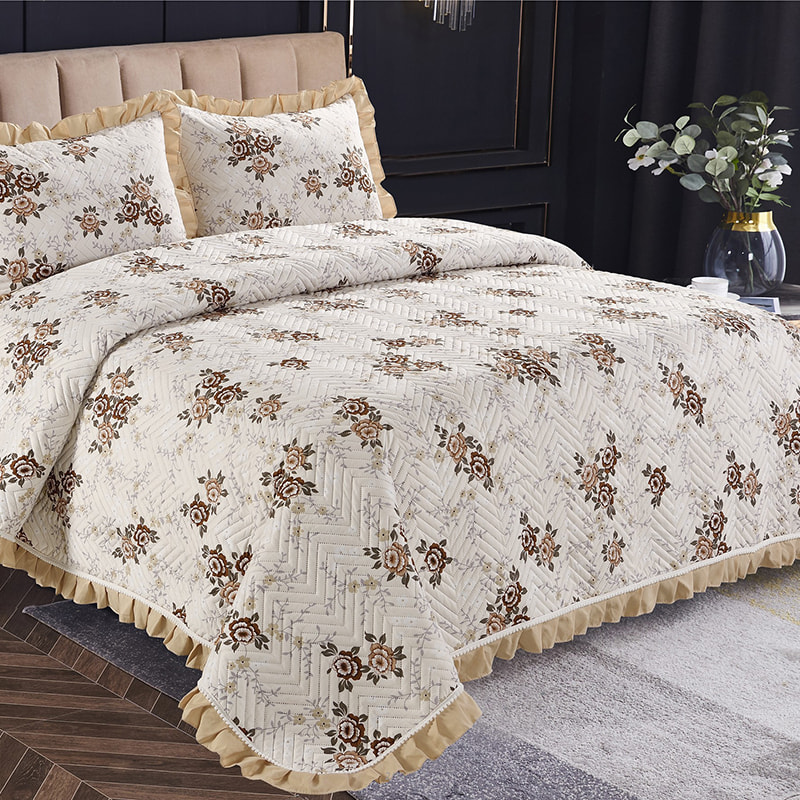
関数 薄くて光:超音波プロセスは、ピンホールやキルティングスレッドを作成せず、生地は薄く滑らかです。 強い装飾:印刷パターン芸術とデザインの感覚を追加し、空間の美しさを高めます。 世話をするのは簡単:しわ防止と耐摩耗性、機械洗浄後の速い乾燥、簡単なメンテナンス。
詳細を参照してください
